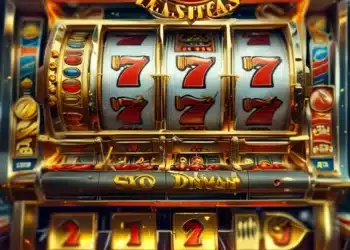




Random number generation (RNG) is a fundamental mechanism ensuring fairness and security in gambling games both offline and in online casinos. The uniqueness of RNG lies in its ability to create unpredictable outcomes that determine the results of each gaming session. This maintains player trust and regulatory compliance. This article provides a detailed examination of RNG systems in casinos, including technical details, myths, standards, and future developments.
What Is a Random Number Generator (RNG)?
RNG is a system that generates sequences of numbers without patterns, essentially simulating randomness. There are two main types: true (hardware-based) using physical phenomena, and pseudo-random (PRNG) — algorithmic generators. Entropy sources can vary, including thermal noise, reaction times, and photonic effects.
How Does RNG Work in Casinos?
In casinos, RNG continuously and rapidly generates numerical sequences, each paused and interpreted at the moment of play to determine the outcome. Generation frequency is extremely high (thousands of numbers per second), with each result fully independent. For example, in slots, the number maps to reel symbols; in roulette, to pockets; in card games, to card combinations.
Types of Random Number Generators
Pseudo-Random Generators (PRNG): Based on mathematical algorithms, using an initial value (seed) that can reproduce sequences. For security, cryptographic methods and frequent seed changes are applied.
True Hardware Generators: Rely on physical phenomena like radioactive decay, thermal noise, or optical processes to create truly unpredictable random numbers.
How RNG Ensures Game Fairness
RNG reliability is confirmed through independent testing and certification by authoritative bodies (eCOGRA, GLI). Regulators require proof of equal probability and unbiased outcomes. The Return to Player (RTP) coefficient, set by game developers, is also controlled via RNG operation.


Technical Details of RNG
A key aspect is seed generation for pseudo-generators, where quality determines security. Entropy sources are carefully selected to eliminate predictability. Reproducibility and unpredictability are regulated by cryptographic methods. Systems are protected against hacks and manipulations from both casino side and external threats.
RNG in Different Game Types
In slots, RNG guarantees randomness for each spin. In table games and poker, algorithms handle card dealing and moves. In live casinos with physical elements, RNG applies to additional features and interface support.
Common Myths and Misconceptions
Players often mistakenly believe casinos control outcomes. Myths about “hot” or “cold” slots contradict RNG functionality, which ensures equal and independent win chances in every game.
Regulatory Requirements and Standards
Reputable organizations oversee RNG usage, conduct mandatory testing, issue certificates, and impose penalties for violations. This protects player rights and maintains operator reputation.
Practical Application and Monitoring
Casinos integrate RNG into platforms with continuous monitoring and auditing. This enables timely detection and resolution of potential issues. Real-world case examples demonstrate system effectiveness.
Future Development of RNG
Technologies evolve through AI and machine learning integration, enhancing security and diversifying gaming mechanics. The future promises more adaptive and decentralized random number generation systems.
Conclusion
Reliable, certified RNG systems form the foundation of fair gambling and guarantee player safety and trust. Understanding RNG operation helps dispel doubts and strengthens respect for the industry.